
How André Leon Talley's Chiffon Trenches Reconnected Me To My Inner Child
On ambition, belonging, and remembering what lit you up first.
Have you ever read something that makes you feel less alone in your experience?
Honestly, I hope you feel that often when you read what I write.
It’s a rare feeling. One that might be worth millions if you could bottle it and sell it. The quiet reassurance that, out of more than eight billion people living on this spinning rock, at least a few understand what it feels like to be you. Not entirely. Not perfectly. But enough.
That’s what The Chiffon Trenches did for me.
If you’re familiar with André Leon Talley, you may already be wondering where this is going. And if you’re not, a brief scene-setter feels necessary. Talley was an icon of the fashion world. A protégé of Diana Vreeland. An editor under Anna Wintour at Vogue and House & Garden. A confidant, depending on the era, of Karl Lagerfeld or his rumored rival, Yves Saint Laurent. He helped launch Jean Paul Gaultier’s career, worked alongside Andy Warhol in the early days of Interview, and called Lee Radziwill one of his closest friends. His life moved between Paris and New York, often in rooms filled with Loulou de La Falaise, Betty Catroux, Oscar de la Renta, and Annette de la Renta.
So what does this very connected, very accomplished man have to do with me?
Maybe the same thing he has to do with you.
Let’s see.
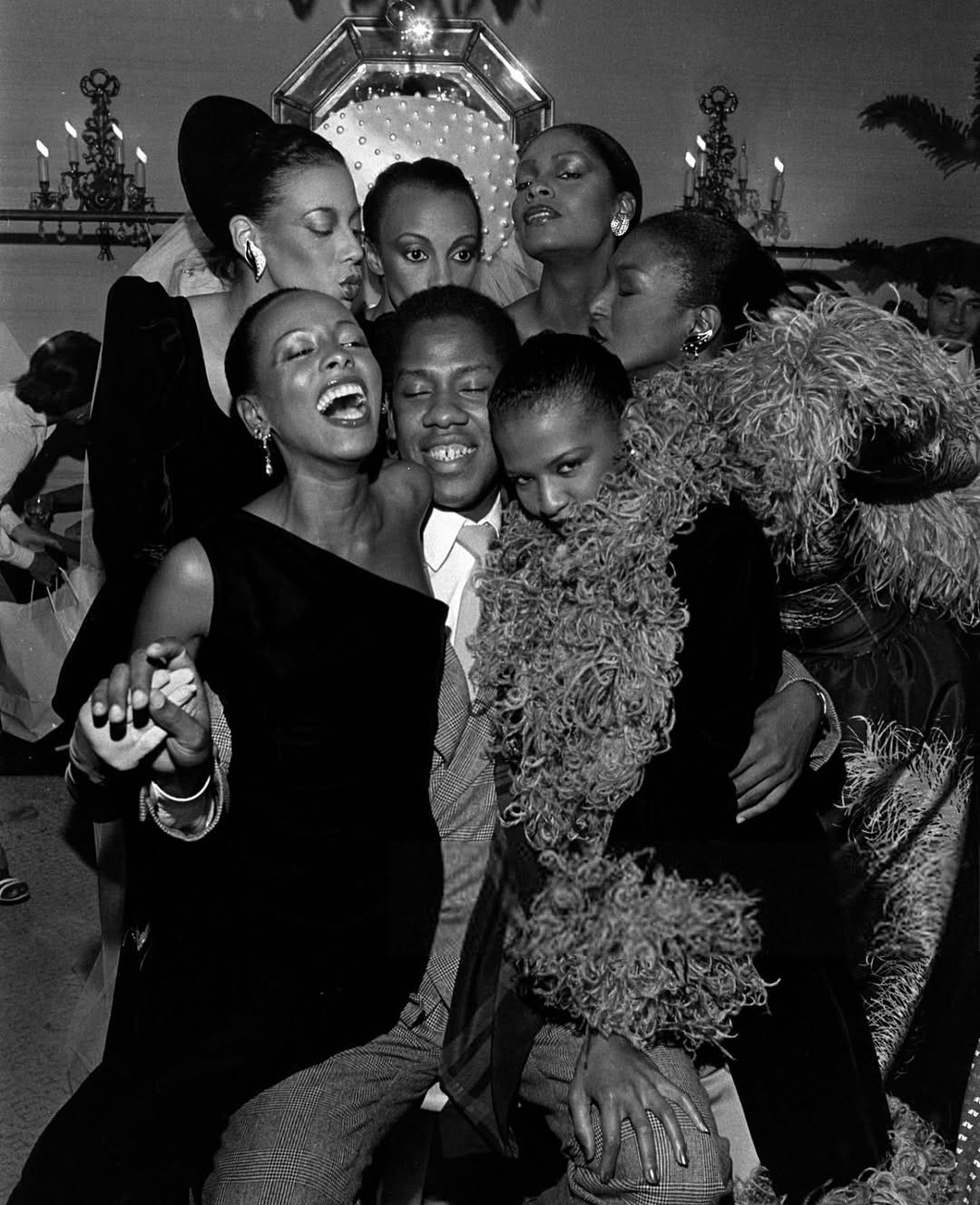
Because for all the grandeur, André Leon Talley did not come from privilege. He was born in Washington, D.C. and raised in Durham, North Carolina. His parents divorced when he was young, and he was largely raised by his maternal grandmother, a woman he adored and revered. He did not grow up surrounded by luxury as we tend to define it now. His earliest exposure to beauty came from watching his community prepare for Sunday church. Perfectly pressed suits. White gloves. Hats worn with intention. Dressing as a form of pride, care, and self-respect.
That was his first fashion education.
He devoured Vogue. He studied art and culture. He paid attention. He cared. After studying French literature as an undergraduate, he earned a scholarship to Brown University with plans to teach French. Life had other ideas. While at Brown, he found himself drawn to friends at RISD, where his love of dressing and visual expression was immediately recognized. Fashion was not a hobby. It was a language he already spoke fluently.
That pull toward something familiar, something essential, only grew stronger.
After completing his master’s degree, he moved to New York and took an unpaid internship under Diana Vreeland at the Metropolitan Museum of Art in 1974. There are paths we are not meant to stray far from. And even when we do, somehow we are guided back. Back to the work that animates us. Back to the things that make us feel awake, aligned, alive.
From that relationship with Vreeland came the career many of us now know. Talley went on to serve as Paris bureau chief at Women’s Wear Daily and W. He worked at The New York Times, and eventually Vogue, where he became the first Black male creative director in the magazine’s history. Throughout his career, he pushed designers to cast more Black models. He advised the Obama family and styled Michelle Obama for her first Vogue cover. His work as a fashion journalist spanned six decades, and through it all, he advocated for diversity, taste, and excellence.
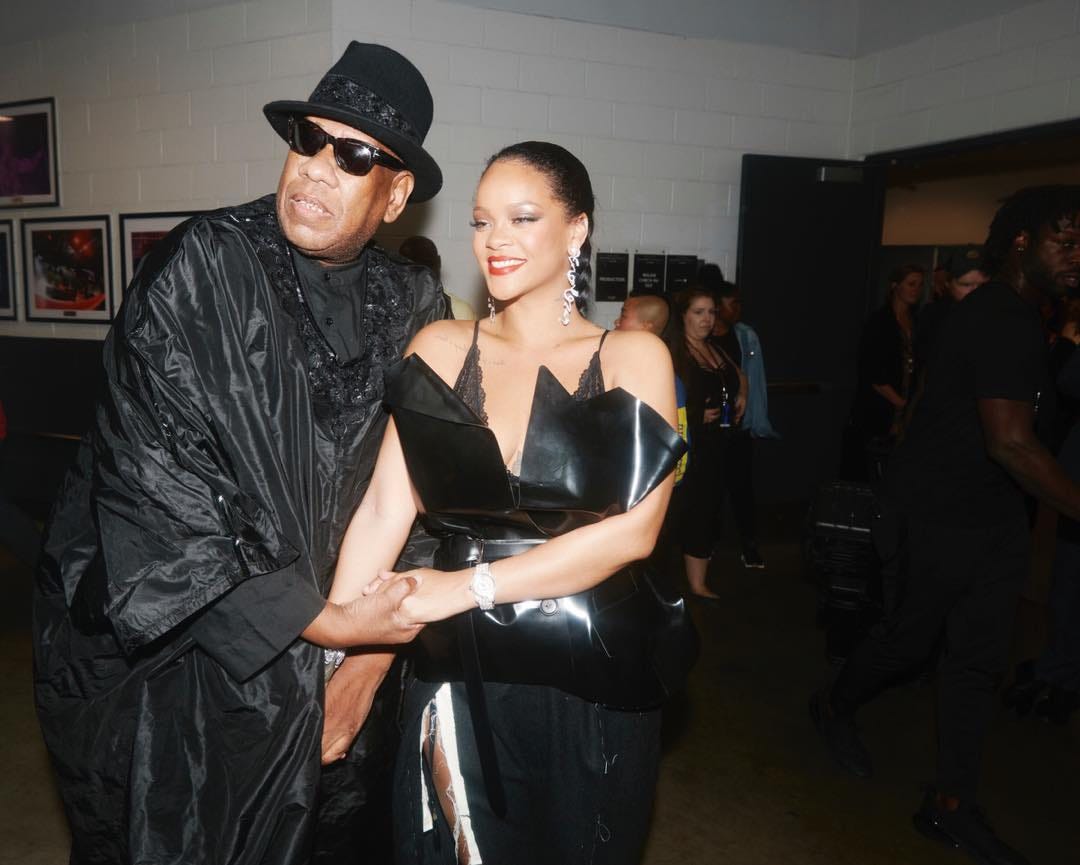
What strikes me most is not the access or the accolades. It’s that none of it was preordained.
He was not born on third base. He studied. He worked. He endured rejection, invisibility, and exclusion. He combined mastery with kindness, intellect with generosity. And he built a life that was both improbable and undeniable.
Reading The Chiffon Trenches reminded me of what I loved long before ambition entered the picture. The spectacle of design. The reverence for craftsmanship. The deliberate slowness of couture. The hours, the thought, the precision required to create something truly singular.
But even more than that, it reminded me of a belief I had as a child and quietly misplaced somewhere along the way. The belief that possibility is not reserved for the chosen few. That you do not need to be born ahead to move forward. But you do need to commit. To work. To sacrifice. To study. To fail. To grow. To become.
That is the inner child André Leon Talley reconnected me with.
The one who believed that becoming was possible.
And maybe that’s what he has to do with you, too.
À toute à l’heure,
Kelly
“There are paths we are not meant to stray far from. And even when we do, somehow we are guided back. Back to the work that animates us. Back to the things that make us feel awake, aligned, alive.” So beautifully said dear. This spoke to me in many ways and your perspective on it was so thoughtful and special.