
The LVMH Prize Semi-Finalists You Need to Know
Six female designers among the LVMH Prize semi-finalists, and every single one is worth your attention.
The LVMH Prize was founded in 2013 with a simple but significant intention: to find the most compelling emerging talent in fashion and give them the resources to keep going. Over 2,000 designers submitted this year. Twenty made the cut. And of those twenty, six are women.
That number tells you something. So do the names.
Previous semi-finalists include Jacquemus, Simone Rocha, Grace Wales Bonner, Virgil Abloh, Demna Gvasalia, Ludovic De Saint Sernin, Rachel Scott, and Tolu Coker. The prize does not need you to be convinced of its credibility. What I want to do is make sure the six women in this cohort get the particular attention they deserve.
Iamisigo by Bubu Ogisi
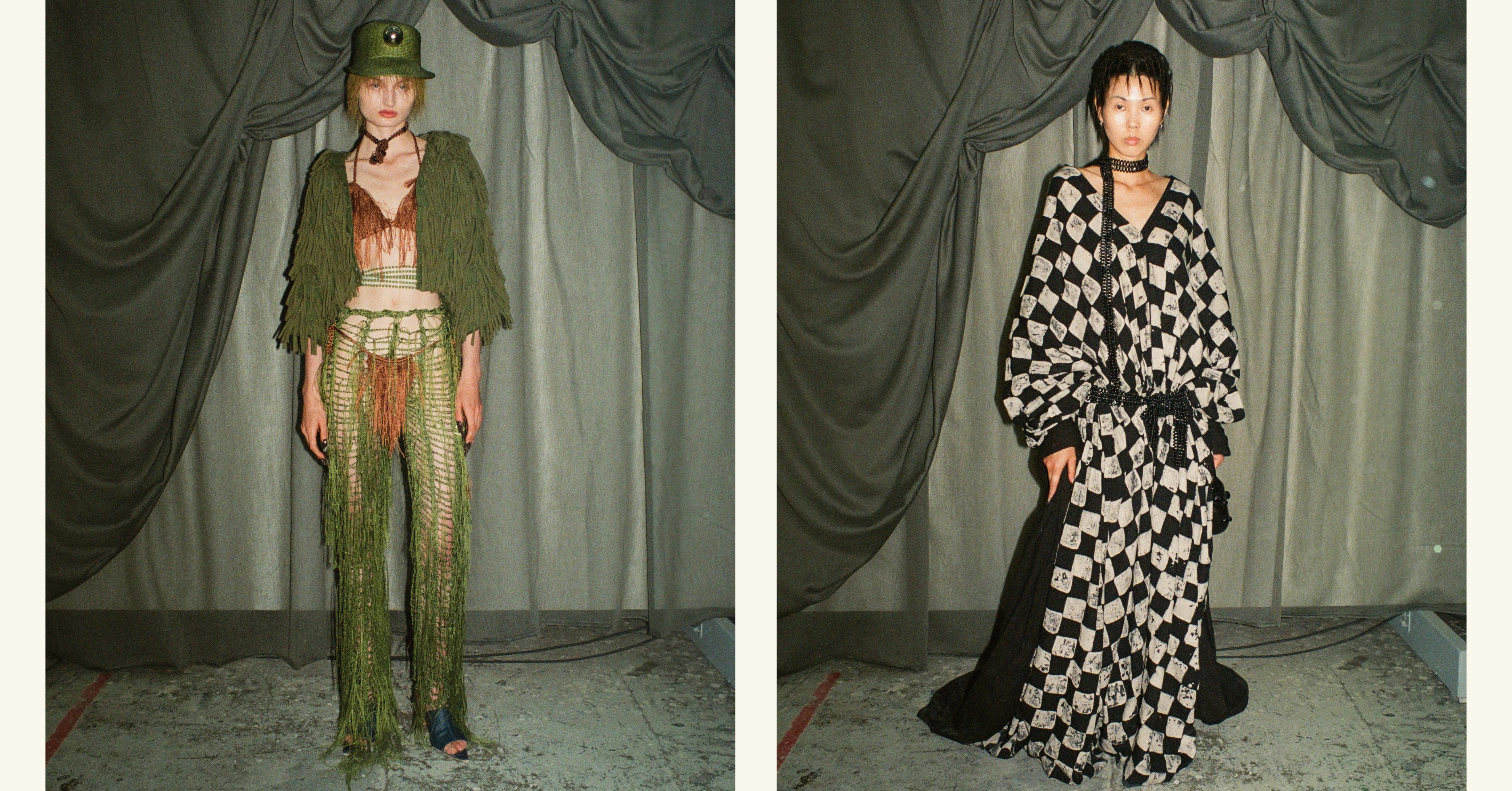
A new fan of Ogisi, I was transformed by her November showing at Lagos Fashion Week. Operating across Africa, Iamisigo is much more than a conventional fashion brand. It is a contemporary wearable art practice, treating the human body as a canvas for expression, meaning, and art.
Each piece is made by hand in close collaboration with artisans across Africa, combining recycled materials, ancestral craftsmanship, and experimental approaches to construction. The result is something mesmerizing and deeply alive.
Colleen Allen
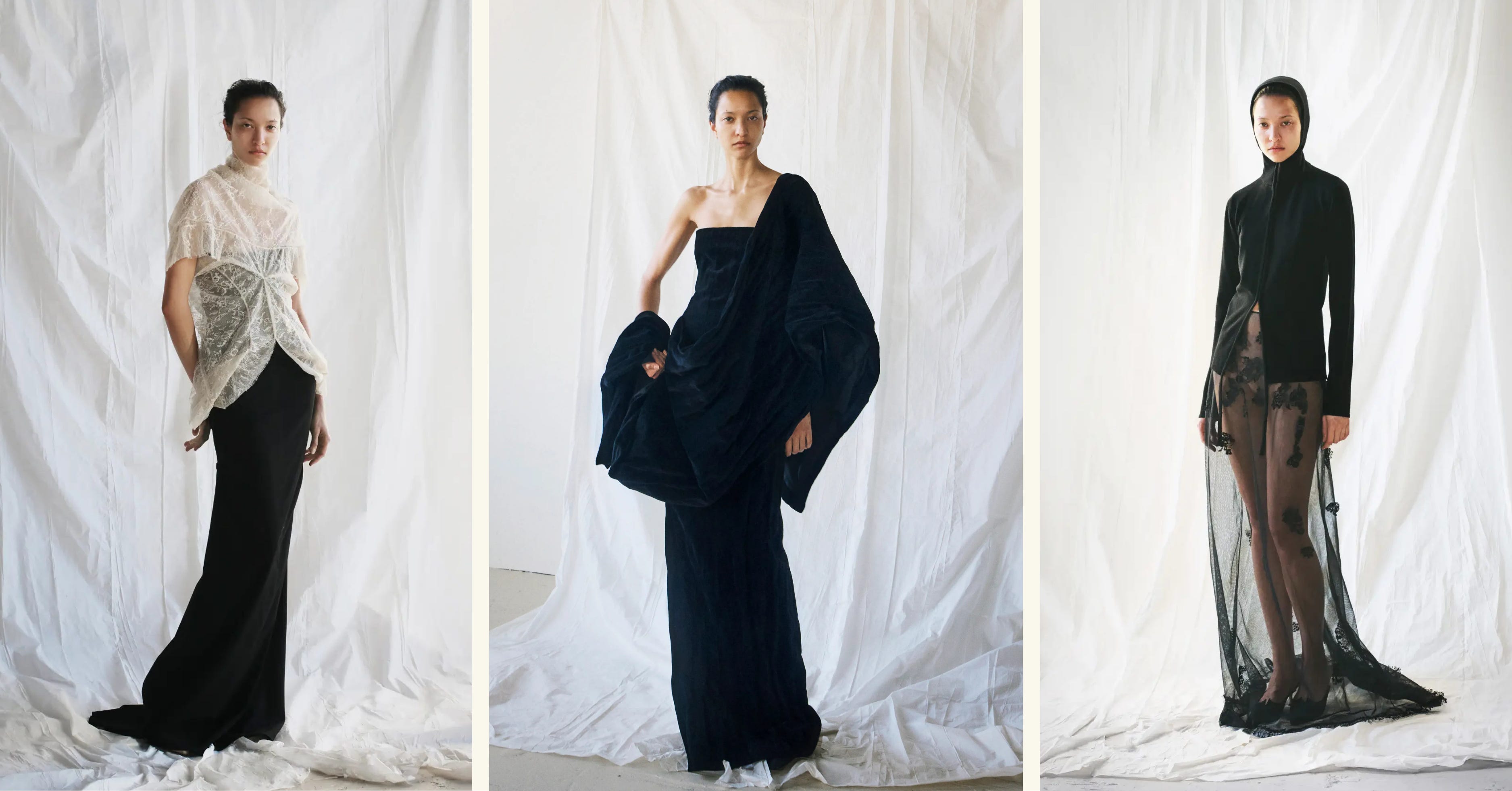
New York-based and previously nominated for the CFDA Prize, Colleen Allen has built a practice around a figure rarely centered in fashion with this kind of rigor: the witch. Not as aesthetic, but as archetype. A symbol we cannot help but love and understand.
Her collections read as rituals of transformation. Femininity without restriction, grounded in ease and movement. Charli XCX wore her to her wedding reception. Rama Duwaji chose her for the iconic shoot by Szilveszter Makó for The Cut. She describes her work as a search for her own feminine embodiment, and you can feel that searching draped and structured in every silhouette.
Golshaah by Golnar Ahmadian
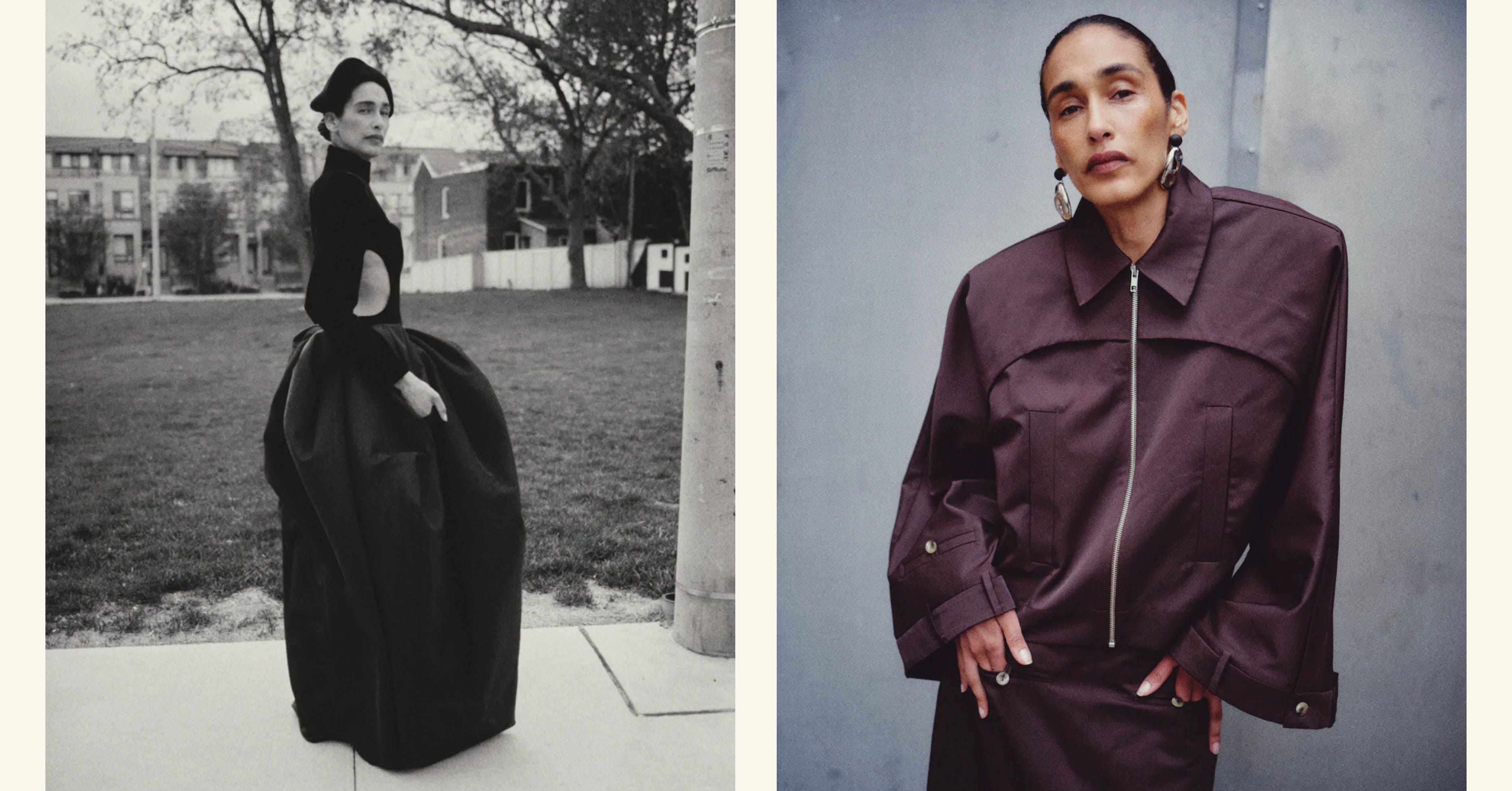
Iranian-Canadian and based in Toronto, Golnar Ahmadian brings her architectural eye to fashion. Her brand, Golshaah, is sculpted, layered, and precise. The work of someone who thinks in structures and then deliberately disrupts them.
The commitment to thoughtfulness runs across everything she touches. There is a quiet rebellion important to her work. Tension between structure and freedom that never fully resolves and is better for it.
Julie Kegels
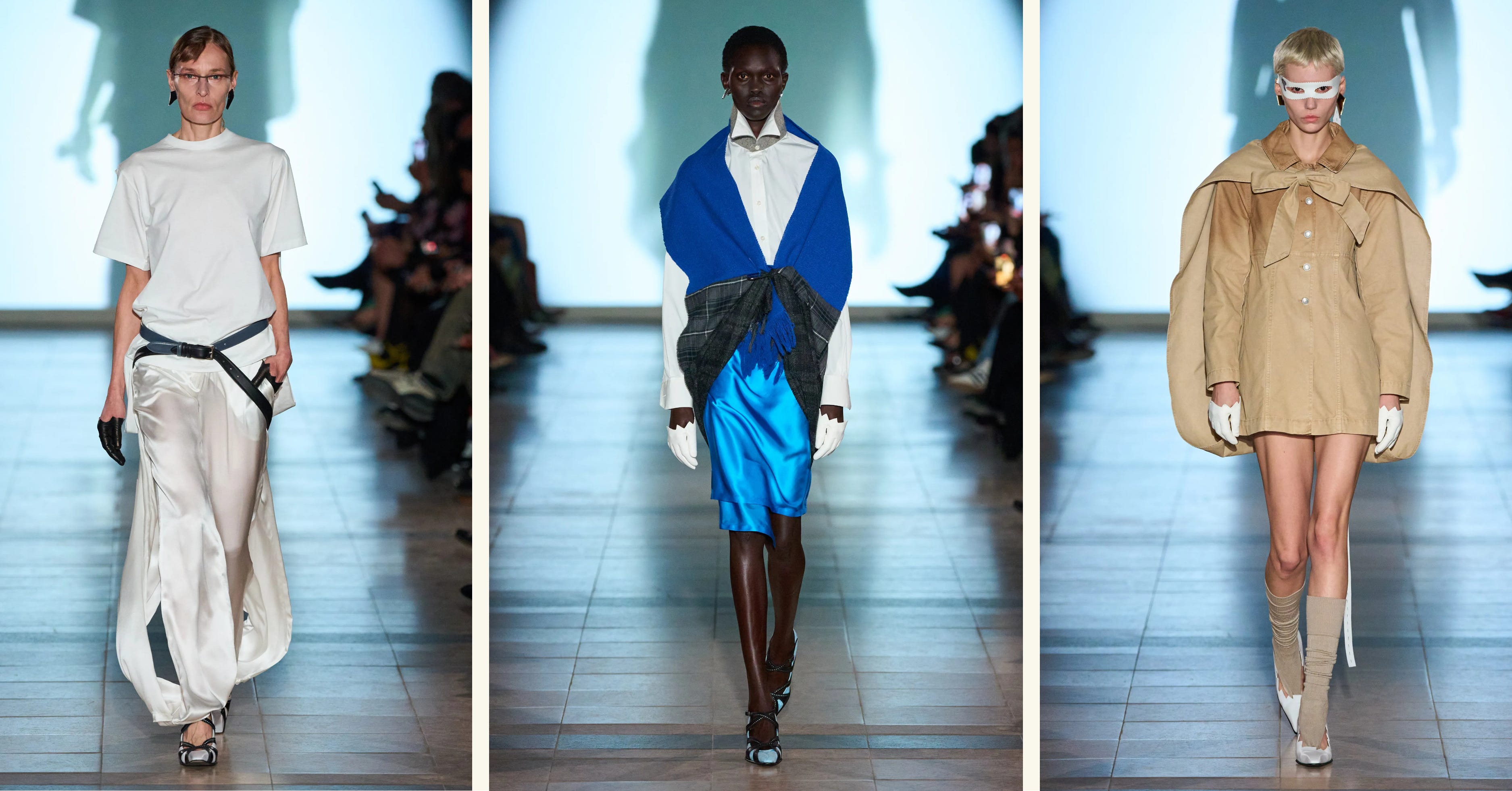
Based in Antwerp, Julie Kegels designs from feeling. Her collections are built around the identity of a woman — not a particular woman, but the complexity of womanhood as a state of being.
She likes to characterize her work as strange, but she means it in the best possible way. Rooted in craft, in intuition, in careful study. She has spoken about wanting to make something imperfect. And in that imperfection, something far more honest than polish.
MAZ by Manuela Alvarez
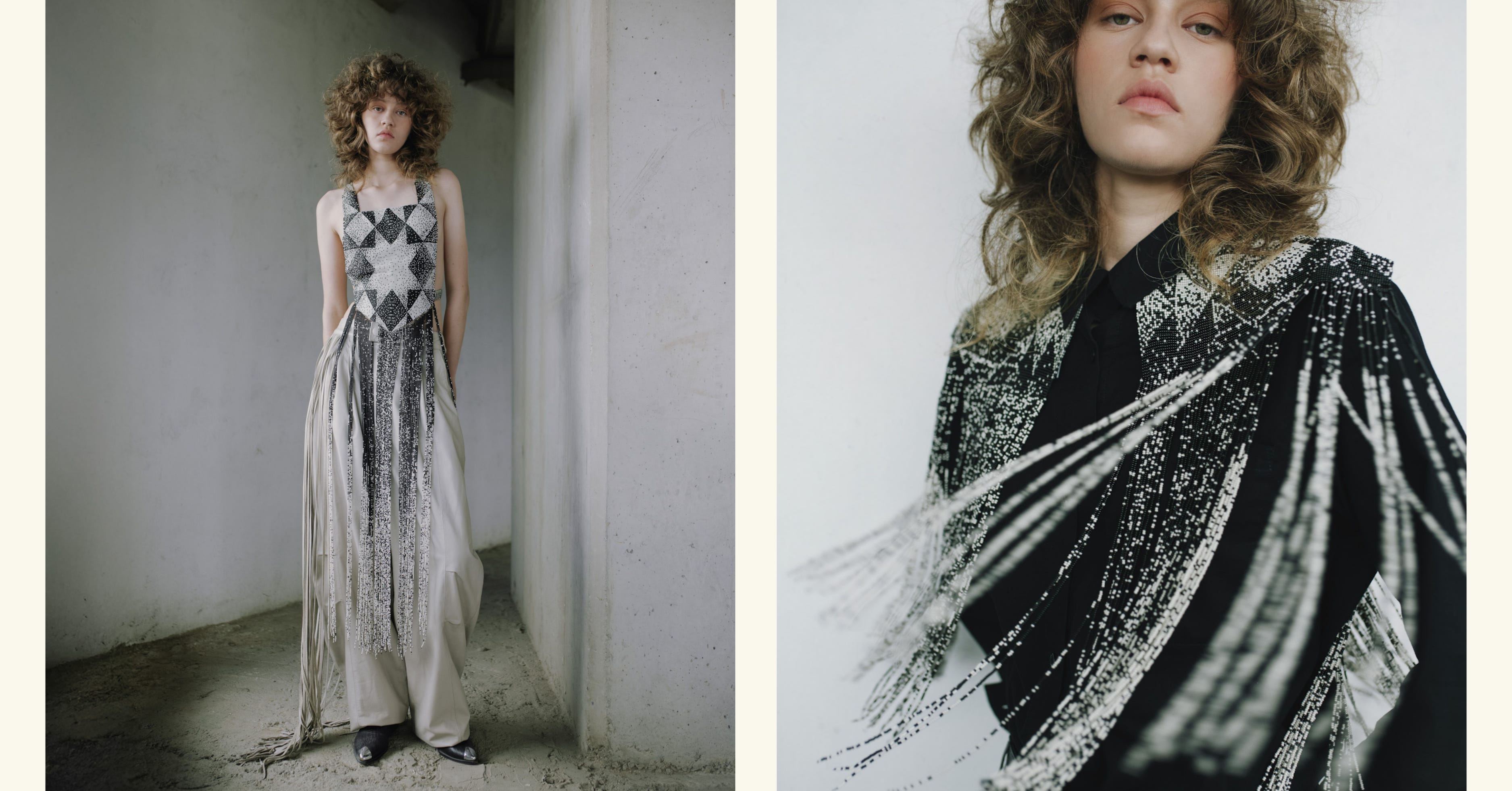
Colombian designer Manuela Alvarez works at the intersection of architectural design and material research. A single piece constructed with 20,000 glass beads. Another crafted with structural spikes knitted via hand-operated machine.
Her brand, Maz, collaborates with artisans across Latin America to develop original handcrafted textiles, with every piece being fully traceable. The team is made mostly of women, alongside indigenous and traditional artisans across Colombia.
This is slow fashion practiced at a depth most brands only gesture toward. Her 2025 collaboration with Adidas brought that ethos to a wider audience without diluting it. What she is building feels less like a brand and more like an ecosystem.
Petra Fagerström
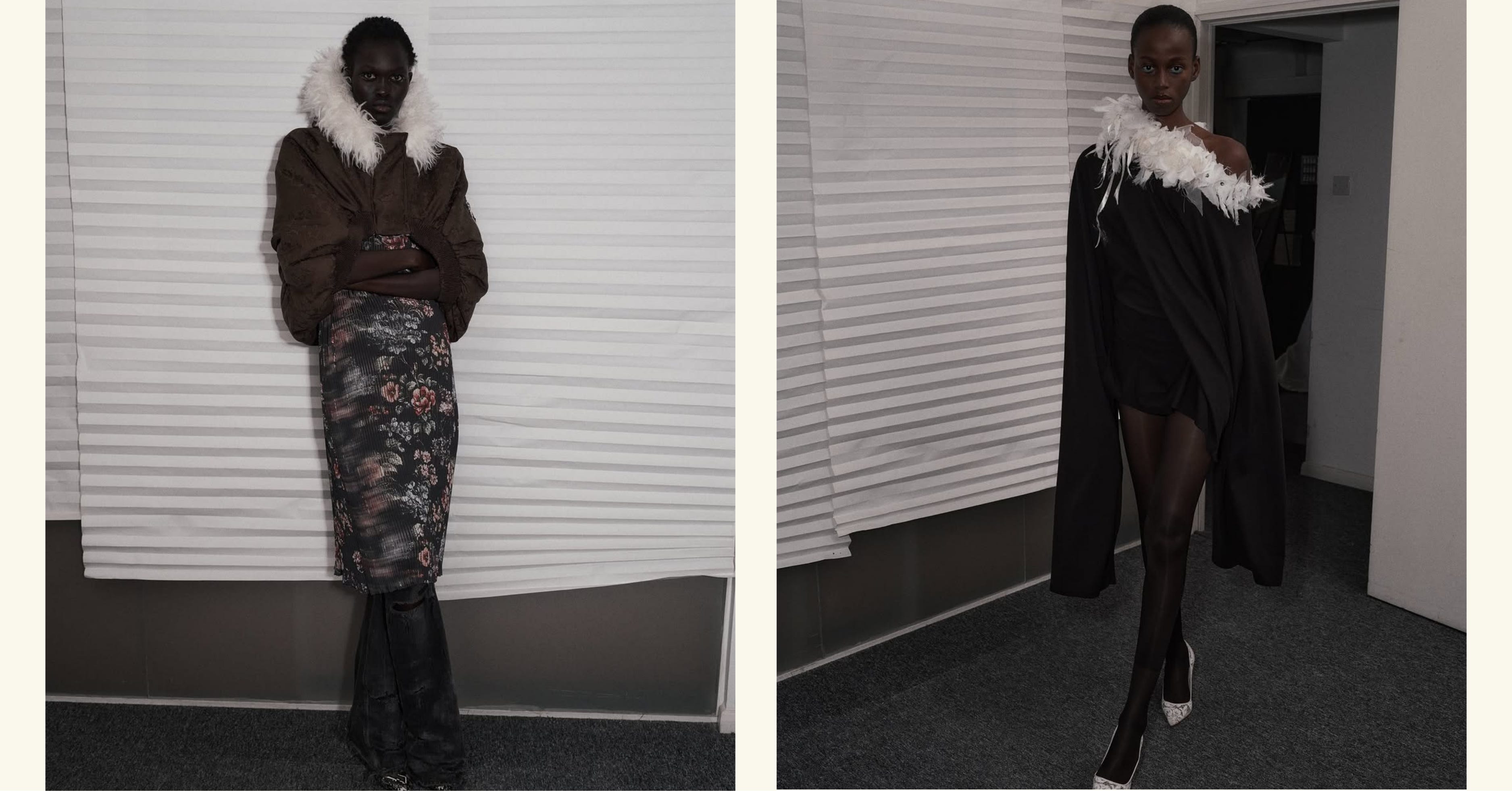
We have spoken about Petra before and we’ll speak of her again.
The Swedish-born, London-based Central Saint Martins graduate defines her brand through the woman she designs for. Contemporary womanhood through dress. Her signature lenticular pleating integrates digital precision with the handmade — a tension she navigates with unusual grace.
Her work comes from places and things that frustrate her. She has described her role as one of respect and service toward women, portrayed through dignity. And perhaps most memorably: the woman who wears fashion determines where culture moves.
She is paying very close attention to that woman. So are we.
Three of these twenty designers will be selected. Whoever wins, these six names are worth holding onto regardless of the outcome.
They are already building something worth watching.
Speak soon,
Kelly